

When riders compare saddles, the first things they usually notice are the seat, the tooling, or the price tag.
But the real difference between an average saddle and a premium one often comes down to something much simpler.
What Makes Argentinian Leather Different?
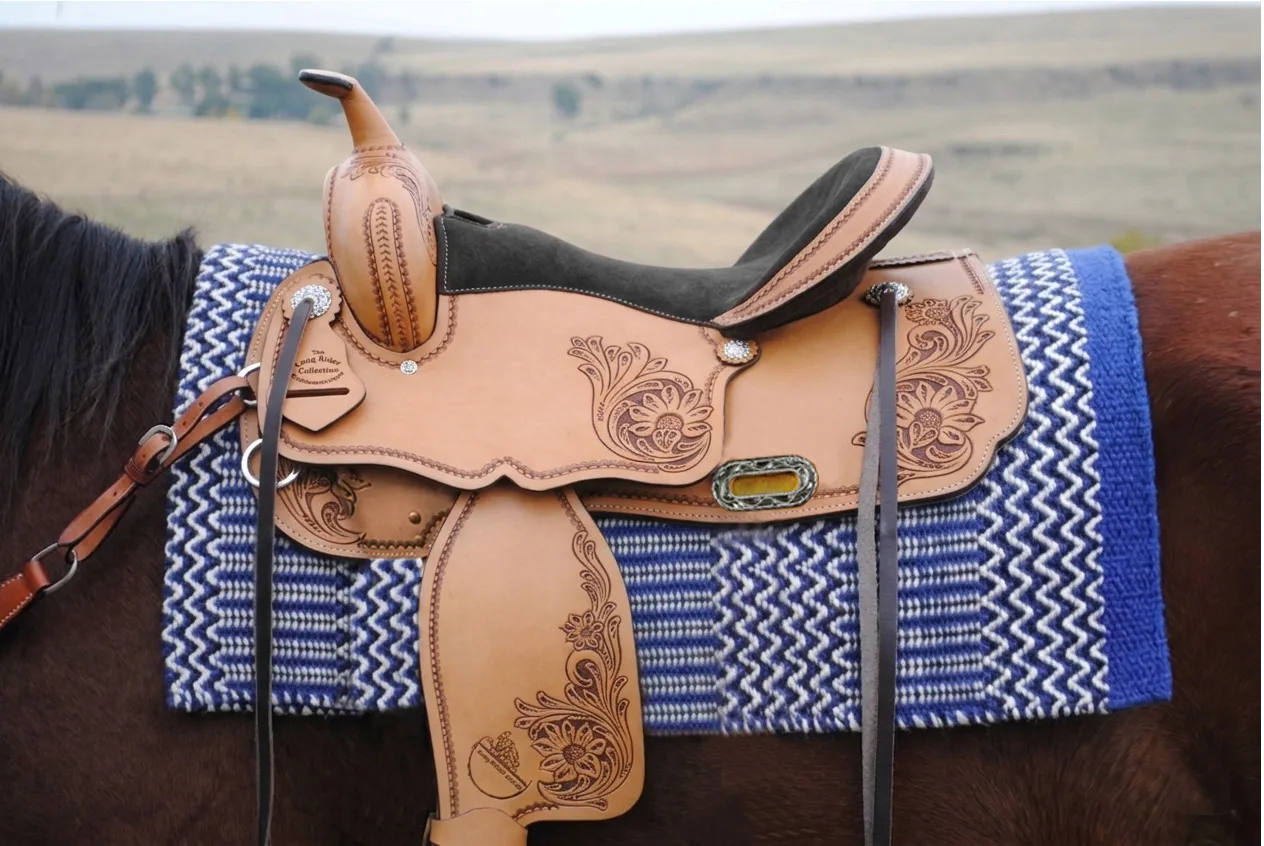
At Trail Saddles, the saddles in our Long Rider collection are built using Argentinian leather — and that choice was deliberate. Not because it sounds impressive, but because it performs better where it matters: strength, durability, comfort, and longevity on the trail.
Let’s break down what makes Argentinian leather different, and why it plays such a big role in the quality of a saddle.
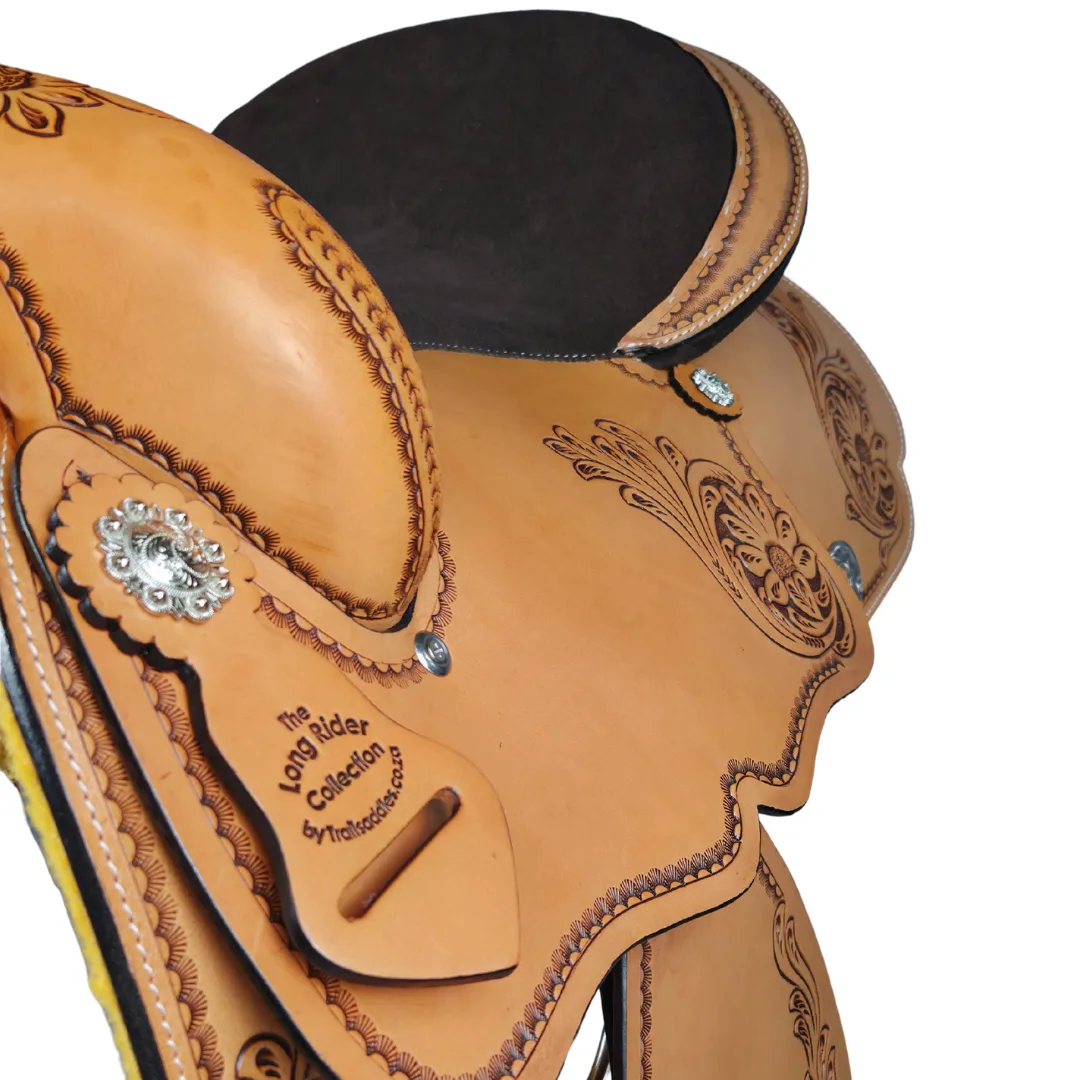
A Country Built Around Cattle and Horsemanship
Argentina has one of the strongest cattle and leather industries in the world.
For generations, leather has been part of everyday working life — from saddles and tack to boots and belts.
That long history matters.
Leather from Argentina is known for being:
- Strong and durable
- Consistent in quality
- Naturally flexible
- Well-suited to riding equipment
Simply put:
It’s leather made for real work, not just appearance.
For riders who spend long hours in the saddle — whether on the farm, on the trail, or at events — that reliability makes a noticeable difference over time.
Strength That Holds Up to Real Riding
A saddle is not just a piece of equipment — it carries weight, absorbs movement, and handles constant pressure every time you ride.
That’s why leather quality matters so much.
Argentinian leather is typically:
- Thicker and stronger than lower-grade leather
- Less prone to stretching or cracking
- More resistant to wear over time
This means:
- The saddle keeps its shape longer
- The rigging stays secure
- The leather holds up under daily use
For riders, that translates to confidence — especially on longer rides or demanding work.
Flexibility Without Losing Strength
One of the biggest advantages of good leather is how it behaves over time.
Cheaper leather often feels stiff at first, then becomes brittle or weak as it ages.
High-quality leather behaves differently.
Argentinian leather is known for:
- Breaking in smoothly
- Becoming more comfortable with use
- Maintaining its strength while staying flexible
That balance is important in a saddle, because it allows the leather to move naturally with the horse and rider instead of fighting against them.
Over time, a well-made saddle doesn’t just last — it becomes more comfortable.
Better Leather Means Better Fit
Fit is one of the most important factors in saddle comfort — for both horse and rider.
Quality leather plays a role in that.
Because Argentinian leather is more consistent and durable:
- It holds its shape better
- It resists uneven stretching
- It supports the structure of the saddle
This helps maintain proper balance and pressure distribution across the horse’s back.
In practical terms:
A saddle made with better leather is more likely to stay comfortable and stable over years of riding.
Built for Long-Term Value
Fit is one of the most important factors in saddle comfort — for both horse and rider.
Quality leather plays a role in that.
Because Argentinian leather is more consistent and durable:
- It holds its shape better
- It resists uneven stretching
- It supports the structure of the saddle
This helps maintain proper balance and pressure distribution across the horse’s back.
In practical terms:
A saddle made with better leather is more likely to stay comfortable and stable over years of riding.
Why We Chose Argentinian Leather for the Long Rider Collection
When developing the Long Rider collection, the goal was simple:
Build saddles that riders can trust on long rides, hard work, and everyday use.
Choosing Argentinian leather was part of that decision.
It supports the things that matter most in a working saddle:
- Durability
- Comfort
- Reliability
- Long-term performance
Combined with the advanced saddle tree design used in this collection, the result is a saddle built to handle real riding conditions — not just occasional use.
The Bottom Line
Not all leather is the same.
The type of leather used in a saddle affects:
-
How long it lasts
-
How comfortable it becomes
-
How well it holds its shape
-
How reliable it is over time
That’s why the Long Rider collection uses Argentinian leather — because it delivers the strength and performance riders expect from a premium saddle.
When you’re spending hours in the saddle, the materials underneath you matter.
And it all starts with the leather.
Showing 1–5 of 8 resultsSorted by price: high to low


